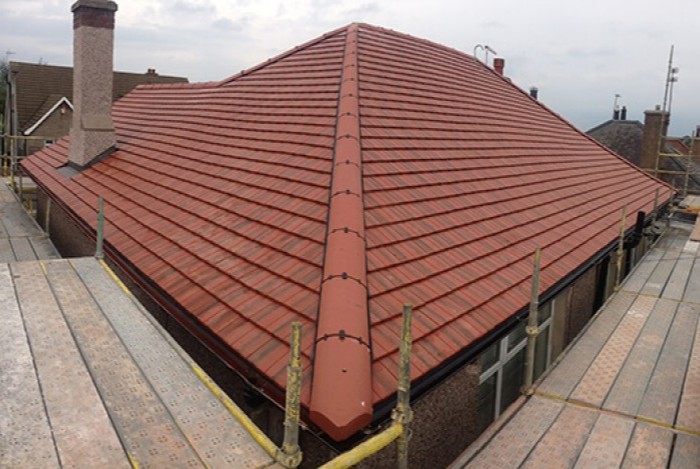
Introduction: Severe storms and heavy rain can severely damage roofs in minutes. In the UK, gale-force winds alone cause about £300 million of building damage each year. Record insurance payouts (≈£573m in 2023) show how common storm losses are. Delaying an inspection only risks more costly repairs. This guide for Putney and Fulham homeowners explains storm roof damage signs, how to check your roof after a storm, and provides a storm-damaged roof insurance guide.
Why Checking Roof Damage After a Storm Matters
Risks of Delaying Roof Inspections: After high winds or torrential rain, even small roof holes or slipped slates can worsen quickly. Water leaks into ceilings and lofts, causing hidden damp and rot. Government guidance warns that fixing leaking roofs promptly removes moisture sources and “avoids more expensive repairs later (such as rot treatment)”. Conversely, untreated damp produces mould spores and toxins harmful to health. In short, catching roof damage early prevents structural decay, mould growth and extra costs.
How Storm Damage Affects Home Safety and Value: A compromised roof threatens home safety and value. Sagging sections can collapse or shed debris in high winds. UK safety data show roof work causes about a quarter of all construction industry deaths, so obvious sagging or damage should be taken very seriously. Storm-hit roofs also drag down property values and can create liabilities. For example, if a loose tile falls and damages a neighbour’s home, they could claim against you – insurance may cover it, but it’s “advisable to ensure your roof remains in a good state of repair.”. Overall, a battered roof signals neglect, so repairing damage preserves both safety and the home’s market appeal.
Insurance and Cost Implications: Roof damage from storms is often covered by home insurance, but only if the event meets policy definitions of a “storm.” Insurers typically require gusts ≥55 mph or torrential rain (≥25 mm/hr) to qualify. With severe storms on the rise, Brits faced a 36% jump in weather-related claims in 2023. Quick action is key: contact your insurer immediately after the storm. Then thoroughly document the damage before any cleanup. Experts advise giving your home “a full inspection and list all the damage,” taking detailed photos/videos and keeping every broken item as evidence. Doing so helps ensure your repairs are covered and expedites any claim payout.
Types of Storm Damage That Affect Roofs
Wind Damage – Missing or Lifted Shingles
Strong wind gusts can lift or blow off tiles and shingles, tearing away roofing materials. Wind pressures may pull up ridge tiles and tear flashing around vents. As a result, underlayment and board can become exposed. Even a few missing or warped tiles are serious: insurers note that “dislodged roof tiles are one of the most common forms of damage” from strong winds. After a storm, check each slope for gaps or tiles that have shifted – any tile flapping or absent is a clear storm-damage sign.
Hail Damage – Dents, Cracks, and Granule Loss
Hailstones striking a roof can crack, chip or dent shingles and tiles. On asphalt roofs, hail often knocks off the granular surface, leaving dark, bald patches on shingles. Clay or concrete tiles may develop chips or fractures. Hail can also dent metal roofing or shatter roof lights. These impacts may be subtle from the ground, so inspect closely: look for round indentations, pock-marks, or exposed felt where granules are missing. Significant hail damage may require panel or tile replacement.
Water Damage – Leaks, Wet Insulation, Mold Growth
Rain driving through damaged roofing causes leaks. On the outside, look for water stains or dark streaks running down roofs or walls. Inside the loft, wet or soggy insulation and black water stains on rafters indicate infiltration. Waterlogged roof materials can rot quickly; UK guidance advises removing any saturated materials that “cannot be cleaned or completely dried” to avoid mould. If your attic feels damp or shows growth, suspect hidden leaks. Even small leaks will cause costly ceiling repairs and dangerous mould if ignored.
Tree or Debris Impact Damage
Stong winds often send branches, twigs or debris onto roofs. Storm debris like a broken limb can puncture tiles or dent metal panels. Even small branches can crack shingles or tear flashing when blown onto a roof. After clearing leaves, look for dents or holes where wood struck. In urban Putney/Fulham many trees line streets, so check any visible branches on roofs and nearby areas. Debris impacts may also crack gutters or clog valleys – both can cause further leaks if not cleared.
Visible Signs of Roof Damage from the Ground
Sagging Rooflines and Visible Gaps
View your roofline from a distance after a storm. Any bowed or uneven sections suggest weakened rafters or boarding. Gaps under ridge tiles or along eaves indicate pulled-apart supports. An unsightly dip between supports means the roof deck might be sagging under hidden moisture or structural failure. These signs mean immediate inspection is needed – they rarely self-correct.
Broken or Fallen Shingles
Walk around your property. Shingles or tile fragments on the ground typically come from above. Clusters of broken pieces on patios or lawns show tiles were damaged or knocked off. Check gutters and ground under every roof edge for granule clumps or slate chips. Finding debris is a red flag: look directly up to find the missing tiles or damage source.
Damage to Gutters, Chimneys, or Flashing
Inspect gutters and downspouts. Strong winds can bend gutters outwards or tear them off brackets. A gutter hanging loose or full of oddly-shaped dents may have been slammed by debris or pounding rain. Chimney stacks and roof vents should be straight: cracks or displaced flashing around chimneys mean rain could seep in there. Also see if any roof flashing (metal seals around vents or skylights) is lifted or torn. If so, water is likely bypassing these seals.
Loose or Exposed Nails
After a storm, look at all exposed edges – nails should not be poking out. Loose nails on fascia boards or lying on the ground signal that tiles or panels have shifted, ripping nails partly out. Each exposed nail is a potential hole for wind or water ingress. If you spot them, trace back to see which section of roof has loosened sheets or shingles.
How to Safely Inspect the Roof Up Close
Basic Safety Guidelines Before You Climb
Only inspect roofs yourself if you’re comfortable with heights and safety gear. Choose a dry, calm day; never climb when the roof is wet or windy. Use a sturdy ladder with rubber feet, leaning at a safe angle (about 1:4 height:distance). The UK Health & Safety Executive advises using only ladders that “have no visible defects” and suit the job. Inspect your ladder first – no bent rails or cracked rungs – and wear non-slip boots. Always have someone hold the base, and climb slowly. If you feel unsteady or the pitch is high, stop. Roof inspections can be dangerous (roof work accounts for many serious accidents), so hire a contractor rather than risk a fall.
What to Look for on Shingles, Tiles, and Metal Panels
On the roof, walk along secure paths and examine each element. For asphalt shingles, look for curled edges, cracks or bare spots missing granules. For tiles or slates, check for chips, broken corners or slipped pieces. Press down gently – a loose tile will often rock. On metal roofs or flashing, scan for dents, holes or torn edges. Be sure sealant around vents hasn’t peeled away. If you see cracking or lifting anywhere, mark it for repair.
Checking Roof Valleys, Vents, and Ridge Caps
Inspect the critical seams where two roof planes meet. Valleys (the angled sections between slopes) should be clear of debris so water can flow. Check the metal flashing in valleys for rust or gaps. At roof ridges, the cap tiles or metal pieces should lie flush – nothing should be cracked or loose. Examine roof vents and chimney flanges: their surrounding lead or rubber seals must sit tightly with no splits. Any loose valley metal, cracked ridge tiles or gaping vent flashing is a path for leaks.
Identifying Hidden Leaks in Attics and Ceilings
After the rooftop check, examine inside. Climb into the loft with a strong light. Look for any water stains, darkening or a musty smell. Wet insulation or warped floorboards mean water is seeping in. Even if you see no stain, pay attention to insulated pipe jackets or wood that feels damp. Remember, hidden moisture quickly leads to mould growth. In fact, UK guidance warns that damp indoors “can produce allergens, irritants, mould spores and other toxins harmful to health”. So if your ceiling is slightly discoloured or the loft feels humid, consider it a likely leak and investigate the nearest roof areas.
When to Call a Roofing Professional
Signs the Damage is Too Severe for DIY Fixes
If your roof looks like this after a storm, you definitely need expert help. Large sections of missing roof or obvious holes are beyond simple patches. Major failures – for example, sagging roofboards, multiple broken rafters or widespread tile loss – make the structure unstable and are unsafe to handle alone. Also call a pro if the roof is very steep or if climbing it felt hazardous. In general, any damage that threatens collapse or involves structural members should be left to qualified roofers. It’s far safer and often more cost-effective to hire professionals for such cases.
Benefits of a Professional Roof Inspection
A certified roofer will have the tools and expertise to catch subtle issues you might miss – like lifted flashings, cracked underlay or deteriorated battens. Professionals often identify early warning signs of failure. They also carry insurance and guarantees, reducing your risk. An official inspection report can support insurance claims and reassure future buyers. Given that roof repairs are high-risk (accounting for many serious accidents), having experienced contractors do the work greatly improves safety and quality.
How to Choose a Reliable Roofing Contractor
When selecting a roofer, look for local accreditation. Membership of bodies like the National Federation of Roofing Contractors (NFRC) or a London Building Control mark indicates professionalism. Read online reviews and ask neighbors for referrals. The contractor should provide a clear written quote detailing the work and warranty. Ensure they carry public liability insurance (so any mishaps aren’t on you) and check examples of their previous storm repairs. A trustworthy contractor will also explain your options (e.g. for insurance claims) patiently. In Putney and Fulham, a local company like Old English Contractors brings both expertise and familiarity with London roof styles – this local knowledge is valuable for doing the job right.
Documenting Storm Damage for Insurance Claims
How to Photograph Damage Properly
Clear photos are your best proof. Use a good camera or smartphone with date/time stamping. Take multiple angles: first shoot the big picture (the whole roof or house) to set context, then zoom in on each damaged area. Capture both close-ups of cracks or holes and wide shots showing where they are on the roof. Photo guidelines recommend including the surroundings (e.g. a window or tree branch) for scale. Make sure each photo is in focus and daylight-lit if possible. Number or label photos so you can describe them easily in your claim. Store these images safely – insurers often say “photos are often the strongest proof” you can provide.
What Evidence Insurers Usually Request
Insurers expect a complete record. Beyond photos, create a written list of all damage: note the location and nature (e.g. “north slope: three tiles cracked; east attic: insulation wet”). Preserve every piece of debris or broken roofing as evidence. Experts advise not throwing anything away until the insurer inspects. Keep receipts or invoices for any emergency repairs (like tarps or gutter fixes), and document any temporary measures you took (with before/after pics). If damage affected your belongings (e.g. a leaky roof ruined furniture), photograph the items and gather purchase receipts if available. The more detail you provide (dates, descriptions, costs), the stronger your claim will be.
Steps for Filing a Claim Successfully
- Contact your insurer immediately. Most companies have 24-hour lines for storm damage. Report the date and nature of the event right away.
- Document everything. Follow the photo and inventory steps above before doing major clean-up. This initial evidence carries the most weight.
- Arrange necessary safety fixes. If rain is continuing, you may need to put up a tarp or board a hole to prevent further damage. Keep receipts for any emergency repairs.
- Submit your claim. Include all photos, the damage list, and any receipts or professional reports. If possible, get a contractor’s assessment of storm-related repairs – it can help prove the cause.
- Follow up. Stay in touch with the insurance adjuster and respond promptly to any questions. Don’t discard damaged items until your claim is settled.
By acting quickly, keeping detailed records, and communicating with your insurer, you’ll speed up the claims process and improve its chances of success.
Preventive Measures to Reduce Future Storm Damage
Strengthening Shingles, Flashings, and Gutters
Make your roof as robust as possible before the next storm. Use high-quality sealant on all flashings (around chimneys, vents, and roof edges) and consider metal straps or clips on tiles at the eaves. Ensure shingles or tiles are firmly nailed down. Upgrade gutters with extra-strong brackets so they don’t rip off in the wind. Install gutter guards to prevent leaf blockages. Trim back any tree branches near the roof – even small twigs can do serious harm in a storm.
Regular Roof Maintenance Checklist
A little upkeep goes a long way. Inspect your roof yearly and after major weather. Repair or replace loose or missing tiles at once – UK insurers specifically advise homeowners to “check your roof and get any loose or missing roof tiles replaced”. Clear gutters, valleys and downspouts of leaves and moss so water drains freely. Check for and seal any small cracks in flashings or ridge caps. Fix or replace worn underlayment when needed. Keep attic vents clear so moisture can escape. If you see moss or vegetation growing on the roof, clean it off safely (moss traps water under tiles). Finally, have a roofer perform a professional inspection every few years. These steps – clearing gutters, trimming branches, tightening fasteners – are all recommended to minimise future storm damage.
When to Consider Roof Replacement
Even with care, roofs age. If your roof is 20+ years old (for many materials) or requires frequent patching, it may be time for a new one. Replacing an old roof with modern materials often provides better wind resistance and insulation. Consider a full replacement if more than 30–50% of the tiles are brittle or leaking. A new roof will prevent the cycle of recurrent storm damage and is a sound investment if you plan to stay in your home. In Fulham and Putney’s climate, upgrading to storm-rated roofing can pay off by lowering the risk of future claims and preserving your home’s integrity.
Conclusion
For homeowners in Putney and Fulham, inspecting your roof after any storm is crucial. From missing shingles to hidden leaks, knowing the signs of storm roof damage protects your home and wallet. Always document issues carefully – research shows UK storm claims are rising – and call in professionals for repairs you cannot safely do yourself. Old English Contractors is here to help with roofing in Putney and Fulham. We can inspect and repair your storm-damaged roof, or replace it if needed, with fully insured, high-quality service. Beyond roofing, we offer related home improvements: for example, we collaborate with top landscaping companies in Putney to clear debris and manage garden recovery, and we provide services like rendering in Putney, masonry paint in Putney, plus driveway and patio work (with trusted paver contractors in Putney), and fences (via expert fencing contractors in Putney) to weatherproof your entire property. Don’t wait until a small leak becomes a big problem – contact Old English Contractors today for a free quote on roof inspection or repair, and secure your home before the next storm strikes.
Stay safe, stay vigilant, and make roof checks a priority after every storm.