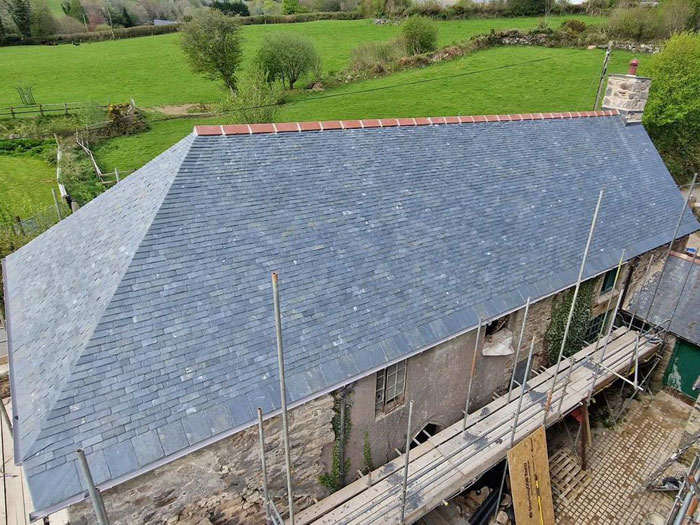
For homeowners in Putney and Fulham, knowing when to repair vs replace your roof is crucial. Minor issues can escalate quickly in our wet climate, leading to costly damage if ignored. This guide explains how to decide between a repair and a full roof replacement, covering local roof problems and warning signs to watch for.
Common Roofing Problems in Putney and Fulham
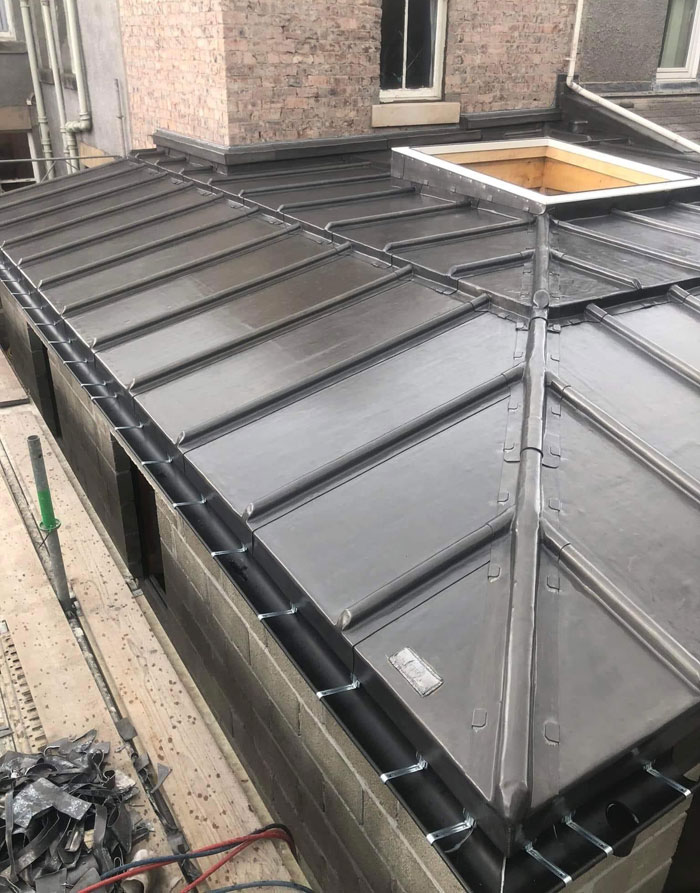
The climate in South-West London and the age of many local homes lead to common roof issues. Heavy rain and winter damp can expose even small cracks, causing leaks if unchecked. Moss and algae grow readily on shaded roofs, trapping moisture against tiles and weakening them over time. Most houses here are Victorian or Edwardian; features like slate tiles, old mortar flashings and tall chimneys naturally age and need attention. For example, many Fulham properties are Victorian terraces with steep slate roofs, while older Putney homes combine slate and tile pitches on varying rooflines. Fallen leaves from nearby trees also clog gutters. When gutters block, water backs up under roof edges and can enter the home.
Early Signs That You Need a Roof Repair
Minor roofing problems can often be fixed easily if caught early. Look out for:
- Small leaks or water stains: Tiny drips in the loft or ceiling stains upstairs show moisture is entering. Check the attic after rain. Fixing these promptly usually just means resealing a gap or replacing a tile (Aviva says roof damage is the most common weather-related claim).
- Broken, cracked or missing tiles/slates: A single slipped or cracked tile lets water in. Replacing damaged tiles or slates quickly keeps rain from penetrating the roof structure.
- Damaged flashing: Lead or cement flashings around chimneys and vents can corrode or become loose. A worn flashing often causes isolated leaks; patching or re-bedding it can stop leaks around those protrusions.
- Worn areas or localized rot: If only one section of roof (e.g. a patch of flat roof felt or a few shingle rows) is failing, a spot repair can be done without disturbing the rest of the roof.
- Gutter and downpipe blockages: Water backing up from clogged gutters can seep under the roof at the edges. Clearing the gutters of moss and debris often solves damp spots that look like roof leaks.
Routine seasonal checks (after storms, in autumn and spring) help you catch these issues before they worsen. If you see any problems, hiring a professional for a safe roof inspection is wise.
Warning Signs That Indicate a Full Roof Replacement
For roofs in Fulham and Putney, a full replacement is needed when damage is widespread or the roof is very old. Watch for these warning signs:
- Roof age (20 to 30 years): Many roofs (especially concrete tiles or older asphalt) wear out after about 20 to 30 years. If yours is that old, consider replacement. Older slates or high-quality materials can last longer, but underlay and flashings often fail by then.
- Multiple leaks or damage: If you have leaks in many areas or large sections of crumbling tiles, repairing patch by patch often fails. This suggests the whole roof covering may be at the end of its life.
- Extensive water stains: Broad stains on multiple ceilings or walls mean the problem is not just one tile. It indicates the roof’s waterproof layer is failing in several spots.
- Sagging or rot in roof structure: Any visible sagging roofline or rotten wood is serious. Sagging is a sure sign you need a new roof, since the supporting structure is compromised.
- Repeated repairs: If you’ve patched leaks in the same place multiple times with no lasting fix, a replacement will be more cost-effective in the long run.
In practice, if several of these factors appear together, a full replacement is often recommended. A new roof can include modern underlay and insulation, improving energy efficiency (for example, a well-insulated roof cuts heat loss by about 25%). It also comes with new warranties on materials and workmanship, giving greater peace of mind than piecemeal fixes.
Roof Inspection Checklist for Homeowners
Regular inspections help spot issues early. You can do simple checks yourself or hire a professional roofer:
- From the ground/outside: Safely view your roof from the garden or street. Look for missing or cracked tiles, bent flashing, or debris buildup. Also check that gutters and downpipes are firmly attached and clear.
- Inside (attic or loft): In the loft (during dry weather), look for damp or rot on rafters, rust on nails, or daylight through roof boards. Water trails or mould in the loft indicate a leak entry point.
- Seasonal and after storms: Inspect after heavy weather. Autumn and spring checks catch new problems (for example, flat roofs should be checked twice a year).
- Call a professional: If you see serious signs like sagging or multiple leaks, hire a qualified roofer. Professionals use safe access equipment (like scaffolding and harnesses) and tools (moisture meters or drones) to find hidden issues.
A professional inspection is especially valuable if you notice any red flags. Roofers follow strict safety protocols and can provide a detailed report. In Fulham or Putney, we recommend scheduling an inspection after any major storm.
Cost Difference: Roof Repair vs Full Replacement
Budget often dictates the choice. Generally, repairing a small area is much cheaper upfront than replacing the entire roof at once. For example, fixing a few cracked tiles or a flashing might cost a few hundred pounds, while a complete re-roof (with scaffolding) can be tens of thousands. However, remember long-term value: repeated repairs add up, whereas a new roof increases home value and comes with guarantees.
Always get multiple written quotes from reputable roofing contractors. Because London scaffolding can be expensive, ensure estimates cover all costs. Try to bundle jobs: for instance, clean gutters or replace chimney mortar while the scaffold is up to save on labour later. In Putney and Fulham, ask about cost-saving measures like group inspecting adjacent townhouses.
How Weather in Putney & Fulham Affects Your Roof
Local weather greatly impacts roofs. Putney and Fulham see heavy rain and strong winds, which test every roof:
- Rain and moisture: London’s frequent heavy rain soaks roofs and exploits any weak spots. In fact, the UK saw a record 12 named storms last year, demonstrating how relentlessly water challenges our roofs.
- Wind: Strong gusts can lift or crack tiles, and pry loose flashing, creating leaks. Edges and ridges are especially at risk in gale-force winds.
- Freeze-thaw: Winter freezes turn trapped rainwater in tiles or mortar into ice. As it melts, cracks widen and leaks can follow. Regular winter check-ups help find and seal these tiny cracks early.
- Heat and sun: Although less dramatic, summer heat can stress roofs too. High temperatures expand roofing membranes and speed up ageing, especially on flat roofs or rubber membranes.
- Humidity and moss: Damp air (common near the Thames) encourages moss growth on roofs. As Sefton Council notes, excess moss should be removed quickly to avoid moisture damage. Moss and leaf debris also block gutters, worsening water damage.
Because of these factors, homeowners should inspect roofs after heavy weather. Aviva advises checking for loose tiles before storms to prevent leaks. Adding insulation when replacing a roof can also mitigate dampness: an insulated roof keeps homes warmer by reducing heat loss through the ceiling.
Benefits of Timely Roof Repairs
Fixing small roof problems early has several benefits:
- Extends roof life: Routine fixes of minor leaks or slipped tiles can add significant years to a roof’s lifespan. Keeping one part of the roof in good condition helps the whole.
- Avoids expensive damage: Early repairs stop water entry that could rot joists or ruin ceilings. By fixing a problem now, you prevent more costly structural or interior repairs later.
- Ensures safety: Quickly addressing issues reduces the risk of emergency failures (e.g. roof collapse in heavy rain). It also keeps your building insurance valid, as insurers expect owners to maintain roofs.
- Maintains property value: A well-maintained roof reassures buyers and surveyors. It shows your house is cared for, often helping secure a higher sale or rental price.
- Improves energy efficiency: Sealing gaps and updating worn components keeps the house warmer. Because an old leaking roof can let out up to a quarter of home heat, repairs combined with insulation upgrades can reduce heating bills.
In short, timely repairs preserve your investment. Our experience in Putney and Fulham shows that well-maintained roofs lead to fewer emergencies. It’s usually cheaper to replace a few tiles than to rebuild an entire floor after a flood!
Why a Professional Roof Inspection Is Important
While a careful homeowner can spot obvious damage, nothing beats a professional inspection. Experts bring:
- Expertise: Professional roofers know common fault points and how to fix them permanently. They can distinguish between a simple patch and a symptom of deeper damage.
- Specialist tools: Pros use moisture meters, drones, and thermal cameras to detect hidden leaks or insulation problems that a casual check might miss.
- Safety: Roofing is dangerous. Qualified inspectors are fully insured and follow safety protocols, so neither you nor the contractor is at risk during a roof check.
- Detailed report: A professional inspection yields a written report with photos. This documentation is invaluable for negotiating with insurers or future buyers, proving what was done or needs doing.
An inspection by a local roofing contractor (like Old English Contractors) ensures accurate advice. Whether it leads to a small repair or a recommendation for replacement, you’ll have peace of mind that your roof is assessed correctly.
When to Choose Roof Repair Services in Fulham
In Fulham and SW6, choose roof repair when:
- Limited damage: Repair is ideal for a single leak or a few bad tiles on an otherwise sound roof.
- Newer roofs: If the roof is still under 20 years old and structurally sound, targeted repairs can extend its life at low cost.
- Isolated issues: For example, one slipped slate, a small flashing hole, or a blocked gutter section – these can often be fixed without a full re-roof.
- Cost-effectiveness: Repairs are usually much cheaper short-term than a replacement. If insurance covers it as maintenance, you save even more.
For instance, a Fulham homeowner had a ceiling stain after rain. On inspection, it was just a few slipped tiles and old flashing. We repaired those in a day for a few hundred pounds, saving them thousands and adding years to the roof’s life.
When a Full Roof Replacement Is the Better Option
Sometimes a new roof makes more sense, even immediately:
- Structural problems: If there’s sagging timber, rot or multiple compromised joists, only a full rebuild ensures safety.
- Repeated leaks or decay: When leaks recur in many places or patch repairs keep failing, replacing the roof provides a reliable fix.
- Energy upgrade: A new roof lets you add modern insulation and ventilation. This improves heating efficiency – an old uninsulated roof can lose about 25% of home heat. Upgrading prevents future issues like condensation.
- Warranties: A new roof comes with long guarantees on tiles and workmanship. Repairs rarely offer such coverage, so replacement gives peace of mind.
- Value and appearance: A brand-new roof boosts curb appeal and property value. It also satisfies local rules – many Putney conservation areas require traditional-looking roofs.
For example, one Fulham terrace had needed patch-ups every winter. We replaced the whole roof with insulated materials. They now have no leaks, lower heating bills, and a 20-year workmanship warranty.
How Old English Contractors Can Help
Old English Contractors is a trusted local roofing contractor serving Putney and Fulham. Our experienced team offers comprehensive roof services and can guide you from inspection to repair or replacement:
- Comprehensive and local expertise: From minor leaks to full replacements, our qualified team handles all roofing needs in Fulham and Putney. We use matching local materials (tiles, slates, etc.) and always follow regulations for safe, compliant work.
- Additional services: We work with trusted local specialists for related home improvements. For example, we team up with landscaping companies in Putney and paver contractors in Putney to upgrade gardens and driveways. We also offer exterior wall rendering in Putney, masonry paint in Putney, and coordinate with fencing contractors in Putney. This means any garden or exterior project can be smoothly handled alongside your roofing work.
- Free quotes: We offer free roof inspections and written quotes for Fulham and Putney homes. Just say “Fulham roof repair” or “Putney roof inspection” and we’ll give you a tailored estimate.
- Trusted and guaranteed: We’re accredited and highly rated by local customers. Many Putney and Fulham homeowners trust our roofing contractors, and we back our work with guarantees.
Whatever your roofing issue, Old English Contractors treats your home like our own. If you suspect any problem – be it a leak in Fulham SW6 or worn tiles in Putney SW15 – request a free inspection and quote today. Early repair or timely replacement can protect your home and save money, and our team will make sure you get the right solution.
Conclusion
Deciding between repairing or replacing your roof doesn’t have to be hard. In Putney and Fulham, fix small leaks early to save money, but widespread damage or a sagging roof usually means a new roof is best. Either way, a professional inspection is wise. Old English Contractors provides expert roof repair in Fulham and roof replacement in Putney (as well as in the rest of SW London). We also offer roof inspection services in Fulham and Putney. Contact us today for a free roof inspection and quote, and we’ll help you protect your home with the right solution.