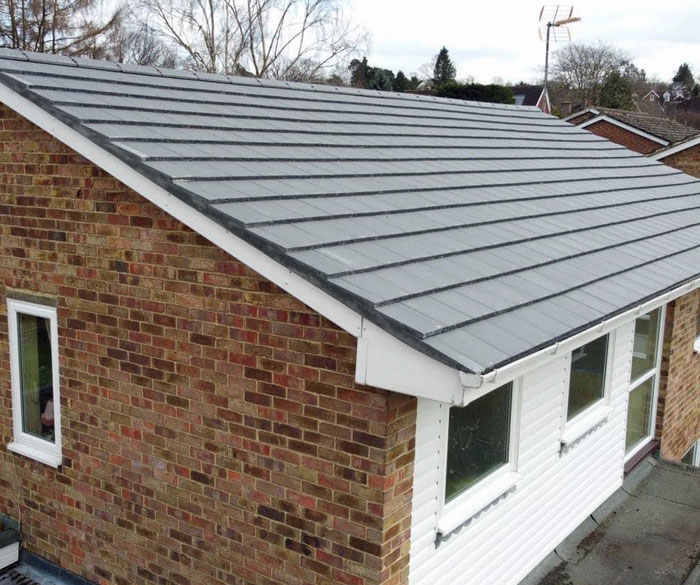
Living in Putney and Fulham means our roofs face frequent rain, wind and seasonal temperature swings. London’s climate delivers about 600–615 mm of rain annually, so keeping roofs in good shape is crucial. Ignoring minor roof issues can lead to expensive damage down the line, so it’s important for homeowners to recognise early warning signs. In this guide we cover ten of the most common roofing problems in Putney and Fulham – from broken tiles and leaks to moss and poor installation – and explain how to spot them before they escalate. We also explain how often to inspect your roof and outline local roofing services. If you notice any of these issues, contact our experienced local roofers at Old English Contractors for a free quote and expert help.
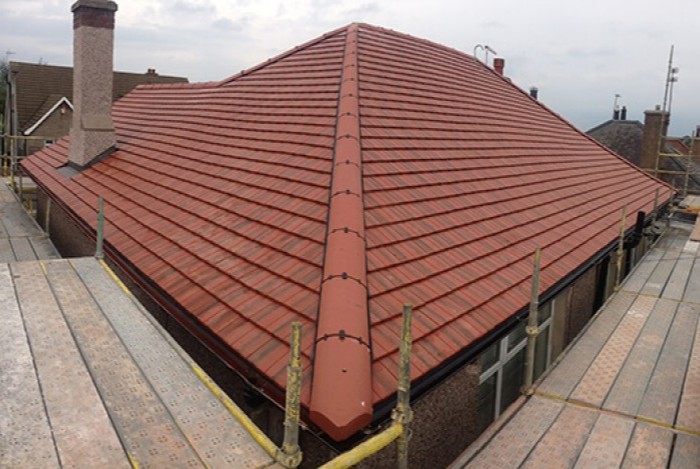
1. Missing or Damaged Roof Tiles
Even one broken or missing tile can let water into your home. How to identify broken tiles from the ground: After storms, check your roof with binoculars or from a safe vantage point. Look for empty gaps, cracked or curled tiles, or debris (tiles often chip and leave fragments). Sunlight through the roof boards or daylight patches when you shine a light in the loft are sure signs a tile is missing. Inside, brown stains on ceilings or walls often trace back to loose tiles on the roof. (Never climb on your roof without proper safety gear – it’s best to get professionals to inspect directly.)
Common causes in Putney & Fulham weather: Our area can see strong winds, driving rain and occasional hail, all of which can crack or dislodge tiles. Local plane trees also drop heavy branches in autumn and winter, sometimes smashing tiles. In freezing weather, trapped moisture can freeze and crack tiles. Over time, even normal wear and tear ages tiles. Putney and Fulham have many older houses with slate or clay tiles; their rooflines can be steep and exposed, so high winds or heavy snowfall can loosen tiles.
When to call a roofer: You should phone a professional if you see more than a couple of damaged tiles or evidence of ongoing leaks. Also call a roofer after any storm that deposits debris or knocks things askew. A qualified roofing contractor (for example, Old English Contractors) can replace missing tiles, re-fix loose ones, and ensure roof battens and nails are secure. Prompt repair prevents water damage spreading into rafters or ceilings.
2. Roof Leaks and Water Penetration
A leaking roof can cause serious interior damage. Early signs inside your home: Look for brown or yellow stains on ceilings and walls, peeling paint or wallpaper, patches of damp plaster or mould growth on walls or skirting boards. Sagging ceiling plaster or a bulge in drywall often means water is pooling above. Musty or mildew smells, especially after rain, are a tip-off. Even small drips or persistent wet spots around light fixtures and sockets should be checked immediately, as they often indicate a roof leak above.
Typical leak spots in UK homes: Water can enter wherever the roofing system is weakest. Common places include roof valleys (the V-shaped channels where two slopes meet), the joints around chimneys and dormer windows, where flashing and sealant prevent water ingress. For example, flashing (thin metal strips) around chimneys and skylights is intended to “keep moisture from entering the joint between the roof and chimney”chimneyexperts.co.uk. When flashing is cracked or pulled loose, water sneaks into the roof. Other vulnerable spots are roof vents, where pipe flashings may fail, and around loft windows (skylights) if their seals have aged. Blocked gutters backing up also force water under the roofing edge.
Why leaks are common in older Fulham properties: Many older Fulham and Putney homes were built before modern roofing underlays and ventilation practices. Decades-old lead or mortar flashings around chimneys can erode. Ridge tiles may be loose. Even if roof tiles are intact, failure of old decking or underfelt can let water through. The GB Home Surveyors note that water coming through a failing roof “can weaken walls, ceilings or floors” and even create health hazards. Because many Fulham houses have attics converted into living space, a small leak can quickly damage insulation and plaster. The bottom line: at the first sign of water staining or drips, have the roof checked, since even a tiny leak can grow into a big problem.
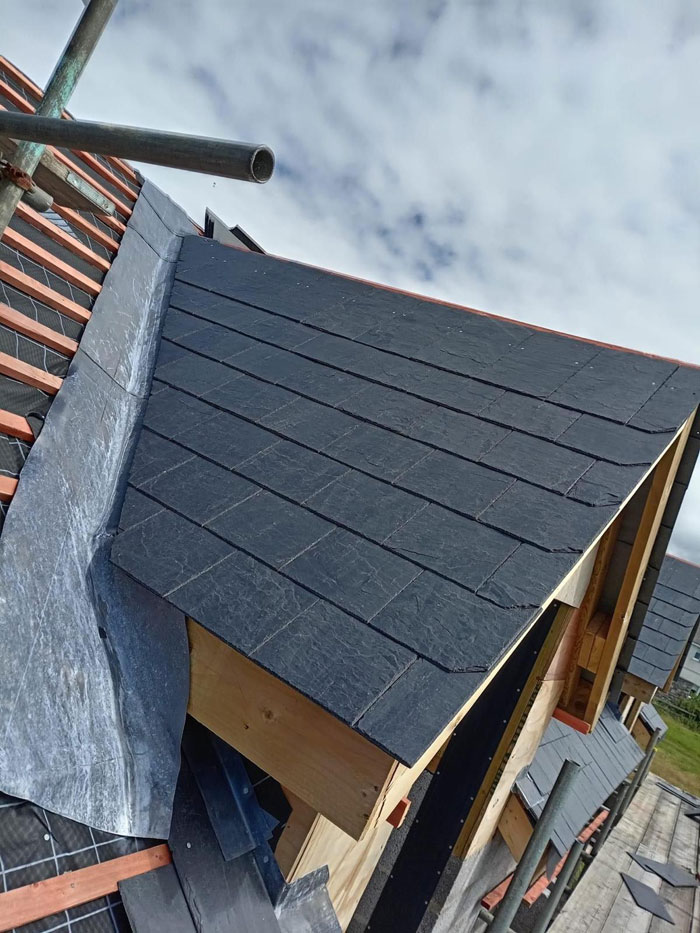
3. Blocked or Damaged Gutters
Clogged gutters and broken downpipes are a silent threat to roofs and walls. Signs of overflowing gutters: If rainwater is spilling over the sides of gutters during heavy rain or leaving dark streaks on brickwork, debris is likely blocking them. Look for vegetation or moss sprouting from gutters, or sagging sections that have pulled away from fascia boards. Damp soil or greenery growing near the base of walls can mean a leaking downpipe is dumping water onto the ground. Inside, damp patches on internal walls (especially the ones directly below gutters) often signal a leaking or overflowing gutter above.
How leaves from London trees cause blockage: Putney and Fulham have many mature trees (e.g. plane and poplar) whose leaves fall in autumn and winter. Leaves collect in open gutters, forming a compact, water-retaining mat. As [Streak Free Exterior Cleaning] explains, moss and leaves caught on a roof often wash into gutters and downpipes, causing blockages. Once blocked, gutters overflow and may rot the timber fascia or flood the roof’s lowest tiles. Overflowing gutters also spill water against the house, leading to damp patches inside.
Seasonal checks for Putney residents: It’s wise to inspect gutters at least twice a year: once in late autumn (after most leaves have fallen) and again in spring. If you have overhanging trees, consider more frequent checks. Clear all debris by hand or with a gutter scoop (never force debris with water, which can damage joints). For safety, hire a professional gutter-cleaning service or roofer; they have access equipment and know how to avoid damage. A local roof inspection expert from Old English Contractors can clean and repair gutters, ensuring water flows freely and preventing roof leaks.
4. Poor Roof Ventilation
Ventilation is often overlooked, but critical in damp climates. Condensation problems in UK homes: In winter or even year-round, warm humid indoor air can condense on cold surfaces in the loft if ventilation is inadequate. The UK government notes that if a home is “inadequately ventilated, moisture in the air cannot escape” and will condense on surfaces. This moisture leads to mould on rafters, rust on metal fixings, and rot in timber. It can damage insulation and even dribble water on ceilings. In extreme cases, trapped moisture in loft spaces will freeze and crack tiles or joists.
Signs your loft is not ventilated properly: Check in the loft for frost or water droplets on the underside of roofboards during cold weather. Look for mould or blackening on rafters or roof timbers. You may also see algae or white “bloom” on insulation. Downstairs, a musty smell or widespread condensation on windows (even in cold weather) can indicate ventilation issues. In well-designed roofs (especially post-1980s builds), there should be air bricks or vents at the soffits (eaves) and ridge to create airflow. If vents are blocked by insulation or debris, remove the obstruction. If you’re unsure, having a professional roof inspection by Old English Contractors can confirm if ventilation meets current standards and recommend fixes (like adding ridge vents or soffit vents).
5. Sagging or Uneven Roof Structure
A roof that isn’t straight is a serious warning sign. What sagging roofs look like: From the ground, a sagging roofline may appear as a gentle dip along the ridge, or the eaves might look bowed. On a flat or low-sloped roof, you might notice a bulge in the centre. Inside, the symptom is often a ceiling crack along walls or along the ceiling edges where plastered walls meet. Doors or windows jam easily after rain if rafters have shifted.
Structural risks if ignored: A sagging roof usually means the rafters, joists or supporting beams have been overloaded or weakened (often by rot or insect damage). If left unaddressed, parts of the roof structure could collapse, posing a hazard to anyone inside. Even a small sag can let water pool in one spot, worsening roof failures. This issue requires immediate professional attention. Old English Contractors will safely inspect and shore up the roof structure – for example, by reinforcing or replacing compromised timbers. Remember, a sound foundation (including the roof frame) is essential, and problems here will only worsen over time.
6. Damaged Flashing or Sealant
Flashing is the metal strip (often lead, aluminum or galvanized steel) that seals joints at chimneys, skylights, vents and along wall abutments. How flashing protects chimneys & skylights: Properly installed flashing creates a nearly waterproof barrier at roof intersections. As one roofing expert notes, the “primary purpose of chimney flashings is to keep moisture from entering the joint between the roof and chimney”chimneyexperts.co.uk. In effect, flashing channels water away from vulnerable seams. Even in areas without a chimney – around dormers or rooflights – rubber or metal flashings do the same job.
Early warning signs of flashing failure: Look for cracked or lifted flashing, or gaps between flashing and roof tiles. Rust on metal flashing or crumbling of mortar (in cement flashings) indicates age. Inside, leaks often appear right below these joints, on ceilings beneath chimneys or dormers. You might see peeling paint, droplet marks or even feel a draft around a chimney or rooflight. If any caulk or sealant around roof penetrations is cracked or missing, water can enter. Because flashing is usually hidden from view, it’s wise to have a roofer check it – especially on older Fulham roofs where flashing may have deteriorated after decades in the elements.
7. Moss, Algae, and Plant Growth
Green growth on roofs isn’t just unsightly; it can harm your roof. Why moss grows quickly in moist UK weather: Moss is a tiny plant that loves damp, shady places. Streak Free Exterior Cleaning explains that moss “thrives in damp, shaded environments”. British roofs are often exactly this: humid from rain and often shaded by clouds or nearby buildings and trees. In fact, moss can “spread quickly, especially in the UK’s wet climate”streakfree.co.uk. Algae and lichen share similar needs – any surface that stays moist (like old tiles) will encourage them.
Effects of moss on tile lifespan: Left unchecked, moss can shorten your roof’s life. It holds water against the tiles like a sponge, so tiles remain constantly damp. As one expert points out, “constant dampness weakens the surface of your tiles, making them more prone to cracking or breaking”. Moreover, as moss grows, it forces its way under tiles, slightly lifting them and creating entry points for water. This can lead to leaks and rot of the underlying battens. In winter, freezing moisture in moss crystals can even crack tiles. Additionally, moss when washed off often clogs gutters (see section 3).
Safe removal methods: Scraping moss off by hand may be tempting, but it’s risky. Industry professionals warn that using high-pressure washers or metal scrapers can “break tiles and shorten the lifespan of your roof.”. The safest approach is to hire a qualified roofing team like Old English Contractors. We use low-pressure cleaning and the right biocides to kill and remove moss without damaging tiles. After removal, preventive treatments can inhibit regrowth. Removing moss promptly lets your tiles dry between rains and extends their durability.
8. Wear & Tear on Roof Valleys
What roof valleys are: Roof valleys are the diagonal seams where two sloping roof planes meet (often in the middle of a roof or where extensions join). They channel a lot of water into the guttering.
Why they are prone to leaks: Valleys naturally collect leaves, twigs and debris, which can trap moisture. They also see the full force of rainwater racing down the roof slopes. As the Roofing Megastore explains, “Valleys are some of the areas most prone to roof leaks, due to the continuous wear and tear from rainwater and debris gathering”. If the valley flashing is bent or the valley lining (often lead or other metal) corrodes, water can pool and seep under tiles. Even a slight misalignment of valley tiles leads to persistent leaks.
How to check for valley damage: During your roof inspection, look closely at each valley. Check that the flashing is flat and fully sealed against tiles or roof slates; any gaps or rust spots should be repaired. Clear out debris and test with a hose to ensure water flows freely down the valley into the gutters. On older roofs, make sure the metal under the valley tiles isn’t crumbling (lead, for example, can fatigue after decades). If you notice patches of moss or algae in valleys, that indicates prolonged dampness which could precede a leak.
9. Ageing Roof Materials
No material lasts forever. Tile lifespan in London homes: In our part of London, many roofs still use clay or concrete tiles. Manufacturers typically guarantee such tiles for about 30 years, and often say 60 years is a reasonable expectation. (BRE research confirms this: even after 60 years of weather exposure, most old clay tiles still meet strength and waterproof standards) Natural slate and lead roofs can last over 100 years, but they too become fragile.
Signs your roof is reaching end-of-life: When your roof nears the end of its service life, damage becomes widespread. Watch for long runs of cracked, broken or slipping tiles. Many brittle tiles (e.g. erosion of concrete tile edges) means the weatherproof membrane below is exposed. Mortar ridges may crumble on ridge tiles or lead flashing may split. If multiple roof valleys or hips show failure, that indicates overall ageing. Thatch (in rare cases) will fade and shed more than usual. Essentially, if problems like leaks and broken tiles become rampant and recurring, it may be cheaper in the long run to reroof the property. The BRE study suggests that a well-maintained tile roof can last well beyond 60 years, but by then it deserves serious consideration for replacement. If your roof is older than this, budget for renewal before a full collapse.
10. Poor or Unprofessional Installation
Sometimes the problem isn’t nature but the builder. How bad installation leads to recurring issues: A shoddy job can create all the problems above. A UK home surveyor warns that an incorrectly fitted roof will fail sooner rather than later. For example, “incorrectly placed tiles could leak water. Misaligned gutters could redirect rainwater into areas it shouldn’t be, as could poorly-placed flashing.”. Nailing tiles improperly, using the wrong underlay, or cutting corners on chimney and wall abutment details all invite trouble. Even a perfectly new roof can leak if ventilation or insulation isn’t done correctly. In short, a botched installation often means repeat repairs.
Red flags when hiring a roofer in Putney or Fulham: When booking roof work, choose a trusted professional. Watch out for contractors who show up unannounced, ask for large cash deposits, or lack written quotes and insurance certificates. Always insist on seeing liability insurance and a workmanship guarantee. Check that they have a local UK address (not just a mobile number) and ask for references or photos of recent jobs. Old English Contractors are full-time local roofing contractors based in Putney – we carry full insurance and our roofers are experienced in London-style roofs. If something feels off (e.g. unusually low bid, no inspection before quoting), get a second opinion. A properly done roof by trained experts will save money and worry in the long run.
How Often Should You Inspect Your Roof in Putney & Fulham?
As a rule of thumb, inspect your roof at least twice a year: once in spring and once in autumn, plus after any major storm or high winds. Early autumn is good for clearing fallen leaves; spring catches any winter storm damage. During each check (or professional inspection), look for missing tiles, sagging areas, clogged gutters, and general wear. You should also scan for interior signs of leaks (as above) and examine loft spaces for moss and damp. A professional roof inspection (by a company like Old English Contractors) often includes walking the roof with safety gear to check flashings and fixings. Catching problems early is key – according to GB Home Surveys, addressing issues while they’re small avoids “constantly increasing” repair costs.
Local Roofing Services in Putney & Fulham
If your roof needs repair, you want local expertise. Old English Contractors has served Putney and Fulham for many years, offering a full range of roof services. We repair and replace tiles and slates, fix leaks, clean and seal gutters, and handle valley and chimney flashing. Our team are roofing contractors skilled in London building styles – whether it’s a Victorian terrace or modern flat roof. We use high-quality materials and comply with British Standards (e.g. BS 5250 for condensation). We also provide free, no-obligation quotes. Beyond roofing, Old English Contractors is a multi-trade company: we can help with landscaping, paving, fencing and rendering to improve your home’s exterior. To speak with a roof repair expert in Putney or Fulham, just call us or use the contact form on our website. We offer roof inspections and are happy to give advice specific to local houses and weather conditions.
FAQ for Homeowners in Putney & Fulham
- Q: What are the first signs my roof needs attention? Look for cracked, loose or missing tiles after bad weather, as well as new stains on ceilings and walls. Other early warning signs include moss growth, clogged gutters, or higher-than-normal heating bills (which can hint at ventilation or insulation issues). If you see any of these, have a local roofer take a look.
- Q: How much does a roof inspection cost? Many contractors (including Old English Contractors) offer a free basic roof check. For detailed inspections (including loft entry), you may expect a small fee. At minimum, an annual check by our team is recommended to keep your warranty valid and insurance intact.
- Q: Can I fix roof problems myself? Simple tasks like cleaning gutters or replacing an obviously loose tile may be DIY-friendly. However, rooftop work is dangerous without training. Many roof leaks come from complex issues like flashing failure that are best handled by professionals. Improper DIY repairs can invalidate insurance or cause more damage.
- Q: What should I do after a storm? After any gale or heavy rain, do a quick visual check from the ground or attic. If you suspect serious damage, get a professional inspection. It’s better to have a roof expert identify and seal leaks while they’re new, rather than wait for widespread water damage.
- Q: Why choose a local Putney roofing contractor? Local roofers know the typical architecture and common problems in the area. They can respond quickly, even evenings and weekends, which is vital if a leak is happening. Old English Contractors lives in Putney, so we’re familiar with local building styles (some Fulham houses have original sash windows and chimneys, for example) and can navigate local regulations. Plus, we’re part of the Putney and Fulham community, and our reputation depends on our quality of work and customer service.
Conclusion
Catching roofing issues early saves time, money and stress. Regular checks – whether by yourself or by roof inspection experts – will help you spot missing tiles, leaks, moss or structural concerns long before they cause extensive damage. Keep your eyes peeled after bad weather and maintain gutters and ventilation. And when you need repairs or aren’t sure what you’re seeing, trust a qualified local team like Old English Contractors. We have the experience and equipment to handle all the issues above, from replacing broken tiles to safely removing moss or rebuilding ageing sections. Your roof is an investment in your home; protect it by arranging a professional roof inspection or repair in Putney & Fulham. Request a free quote today and ensure your roof stays safe, sound and leak-free for years to come.